

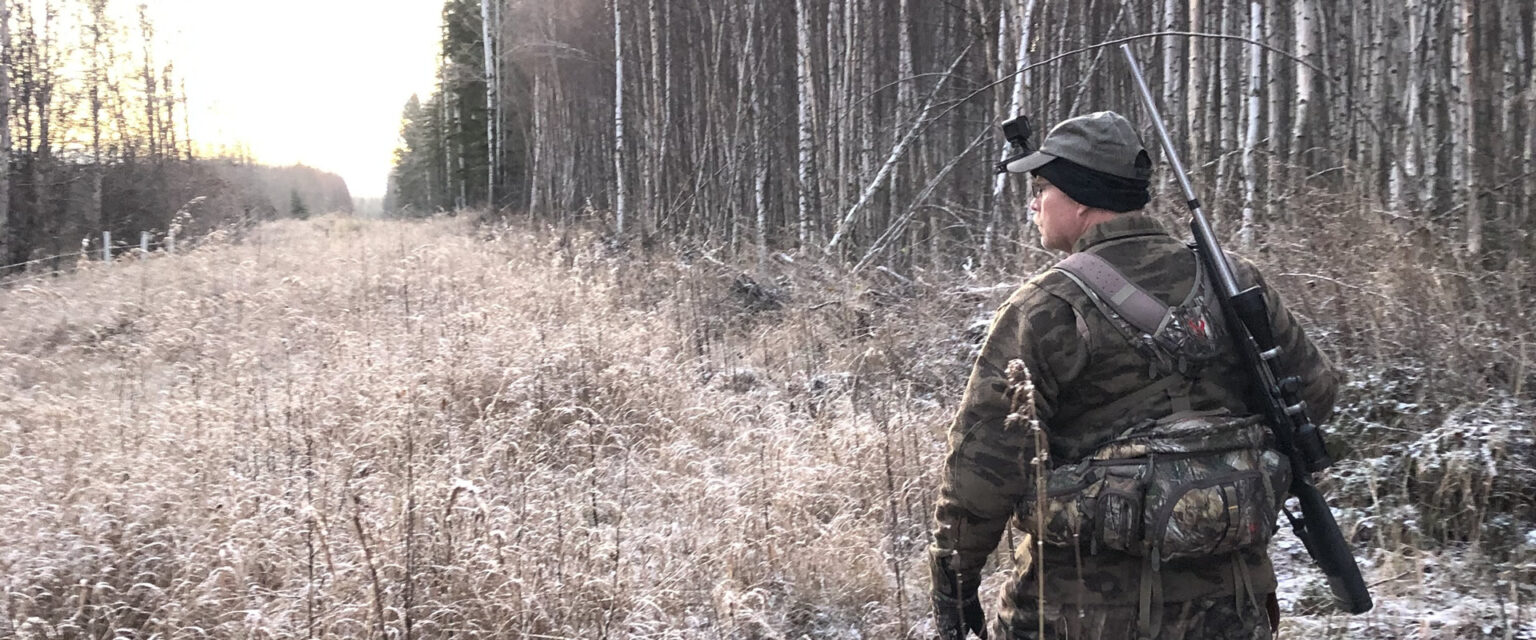
Hunting in Alberta offers one of the most rewarding outdoor experiences in Canada. With its vast wilderness, diverse wildlife, and carefully managed regulations, the province provides an excellent environment for beginners to learn and grow as hunters. Whether you are interested in big game or bird hunting, Alberta’s landscapes offer something for everyone who enjoys the outdoors.
Understanding Hunting in Alberta
Alberta is home to a wide variety of game species and some of the most diverse terrain in the country. From open prairie land to dense boreal forests and the rugged Rocky Mountains, each region offers a different hunting experience. This diversity means that hunters can pursue different species depending on the area and season.
Common game species in Alberta include deer, elk, moose, black bear, waterfowl, and upland birds such as grouse and pheasant. Each species behaves differently and requires different strategies, making it important for beginners to start learning animal habits and local environments early on.
Alberta is home to a wide variety of game species and some of the most diverse terrain in the country..
AlbertaOutdoors.com
Licensing and Regulations
Before heading into the field, it is essential to understand Alberta’s licensing system. Every hunter must obtain a Wildlife Identification Number (WIN), along with the appropriate hunting licenses and tags for the species they plan to hunt. These requirements ensure that wildlife populations remain sustainable and properly managed.
Regulations also vary depending on the season, species, and Wildlife Management Unit (WMU). Because these rules are updated regularly, it is important to review the official Alberta hunting regulations each year before planning any trip. Staying informed is a key part of responsible and legal hunting in the province.
Where You Can Hunt
Alberta offers both public and private land hunting opportunities. Public land, often referred to as Crown land, is accessible to licensed hunters and covers large portions of the province, especially in the north and west. These areas provide a more rugged and remote hunting experience, often requiring additional planning and navigation skills.
Private land hunting is also common in Alberta, but it always requires permission from the landowner. While access may be more limited, private land can sometimes offer better hunting conditions due to reduced pressure and more controlled environments. Many experienced hunters use a mix of both public and private land depending on their goals.
Hunting Seasons
Hunting seasons in Alberta vary depending on the species being pursued. Most big game hunting takes place in the fall when animals are more active and easier to track. Spring is typically associated with bear hunting, while waterfowl hunting peaks during migration periods in the fall.
Understanding timing is critical for success. Each season offers different challenges, and learning when and where animals move will greatly improve your chances in the field.
Essential Gear for Beginners
Having the right equipment is an important part of a safe and successful hunting experience. At a minimum, beginners should be equipped with a legal firearm or bow, appropriate ammunition or arrows, and proper clothing suited for Alberta’s often unpredictable weather conditions.
Good footwear, binoculars, navigation tools such as a map or GPS, and a field dressing knife are also essential. Because weather can change quickly, especially in mountain or northern regions, layering clothing is strongly recommended to stay comfortable and safe throughout the day.
Tips for Getting Started
For beginners, patience and preparation are just as important as skill. Starting with smaller game such as deer or upland birds can help build confidence and field experience before moving on to larger and more challenging species. Learning animal behavior, scouting locations ahead of time, and understanding terrain will all contribute to long-term success.
Many new hunters also benefit from going out with someone experienced. Not only does this improve safety, but it also helps develop practical skills that are difficult to learn from books or videos alone.
Safety and Ethical Hunting
Safety should always be the top priority in any hunting situation. Proper firearm handling, clear target identification, and awareness of surroundings are essential practices that every hunter must follow. Respect for both wildlife and other people in the field is equally important.
Ethical hunting means taking responsible shots, following all regulations, and respecting private property and public land rules. These principles help preserve wildlife populations and ensure that hunting remains a respected tradition for future generations.
Final Thoughts
Hunting in Alberta is more than just a recreational activity—it is an opportunity to connect with nature and experience some of the most beautiful landscapes in Canada. While there is a learning curve for beginners, taking the time to understand regulations, develop skills, and prepare properly will lead to a safe and rewarding experience in the field.

